If you have been searching for exterior fir grain fiberglass doors, you have probably noticed something there are a lot of options out there, and the differences between them are not always clear.
Fir grain fiberglass has become one of the most popular exterior door choices for homeowners across the USA, and for good reason. You get the clean, natural texture of real fir wood without the warping, rotting, or constant refinishing that actual wood demands.
But picking the right style, glass configuration, and finish for your specific home? That takes more than a quick scroll through a catalog.
This guide breaks it all down styles, pricing, what to look for, and what to avoid.
What Are Exterior Fir Grain Fiberglass Doors?
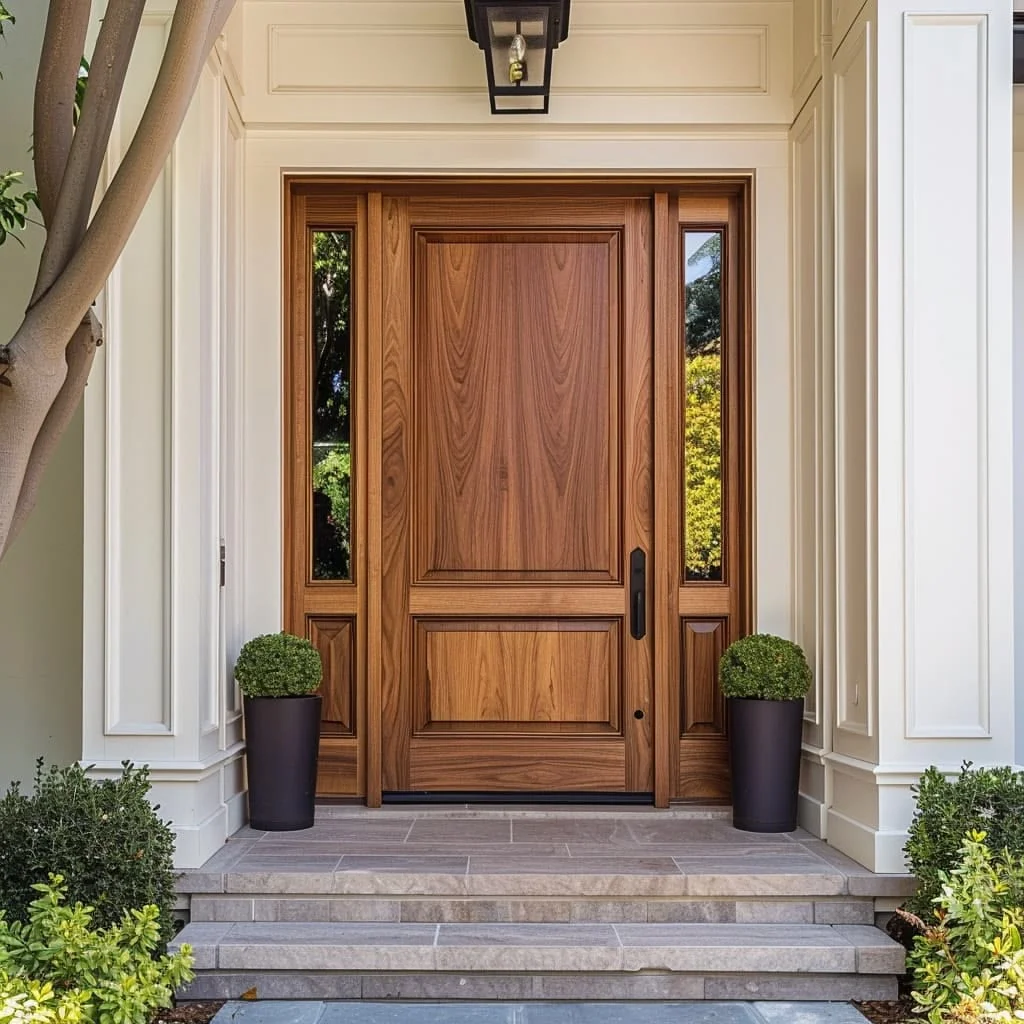
A fir grain fiberglass door is a fiberglass exterior door with a molded surface that replicates the tight, linear grain pattern of Douglas fir wood. The texture is pressed directly into the fiberglass skin during manufacturing, giving it a natural, wood-like character that stain absorbs beautifully.
Unlike real fir wood, the fiberglass version does not swell in humidity, crack in freezing weather, or need to be stripped and restained every few years. It handles the full range of North American climates from the wet winters of the Pacific Northwest to the heat and humidity of Texas summers without losing its shape or finish.
The result is a door that looks like real wood and performs like a modern building material.
Why Homeowners Across the USA Are Choosing Exterior Fir Grain Fiberglass Doors
The shift toward fir grain fiberglass has been building for years. Here is why so many homeowners are making it their first choice in 2026:
The wood look without wood problems Real fir doors look great on day one. By year five, you are dealing with peeling stain, swollen frames, and potential rot around the bottom rail. Fiberglass eliminates all of that while keeping the same aesthetic.
Built for North American weather Whether you are in Minneapolis dealing with polar vortex winters or in Atlanta managing summer humidity, fir grain fiberglass holds up without drama. The polyurethane foam core also provides solid thermal insulation, which helps with energy bills year-round.
Stains like the real thing This is a big one. The molded fir grain texture absorbs gel stain in a way that very closely mimics actual wood. You can achieve a light natural finish, a deep walnut tone, or a bold dark stain all from the same door.
Low maintenance for the long haul Once installed and finished, a quality fir grain fiberglass door needs almost nothing. Wipe it down occasionally, re-stain every several years depending on sun exposure, and it keeps looking sharp.
Better value than real wood A solid fir wood exterior door can run well over $2,000 before hardware and installation. Fiberglass gives you a comparable look at a significantly lower price point, with lower long-term maintenance costs on top of that.
Exterior Fir Grain Fiberglass Doors Styles at Carlton Doors
Carlton Doors carries eleven styles in the exterior fir grain fiberglass lineup. Each one suits a different home style and entry configuration. Here is what you need to know about each:
1P CG (1 Panel Craftsman Glass)
The 1P CG features a clean, solid lower panel with Craftsman-style glass detailing at the top. It lets natural light into your entryway without sacrificing privacy in the lower section. Works especially well on bungalows and craftsman-style homes with covered porches.
1P FG (1 Panel Full Glass)
The 1P FG is a single panel door with a full glass configuration. Maximum light, clean lines, and a strong contemporary presence. Best suited for modern and transitional homes where the entry is set back or protected from direct street view.
3P Glass (3 Panel Glass)
The 3P Glass works three panels with glass inserts into the layout. A balanced mix of structure and light traditional enough for classic homes, open enough for more modern tastes. One of the most versatile options in the fir grain lineup.
5P Glass (5 Panel Glass)
The 5P Glass delivers five panels with glass detailing, giving the door a more substantial, layered presence. It reads as formal and architectural. Good fit for larger entry openings and homes with traditional or colonial styling.
8P Glass (8 Panel Glass)
The 8P Glass offers maximum glass, maximum light across eight panel sections. The grid of panels creates a distinctive look that pairs well with craftsman, farmhouse, and transitional home styles where you want the entry to feel bright and open.
Craftsman
The Craftsman door brings the signature horizontal rail layout and recessed panel design no glass. Clean, bold, and immediately recognizable. If your home is a bungalow, craftsman, or arts-and-crafts style, this is the natural fit.
Craftsman 3P Glass
The Craftsman 3P Glass takes the classic Craftsman profile and integrates three glass panels into the design. You get the structured Craftsman lines plus natural light through the glass lites. Popular on craftsman and modern farmhouse exteriors where curb appeal and light both matter.
Craftsman Glass
The Craftsman Glass adds a glass lite panel at the top portion of the classic Craftsman layout. The glass brings in daylight while the solid lower section keeps the traditional Craftsman weight and proportion. A strong choice for entries that need both light and privacy.
One Panel
The One Panel is a single solid panel no glass, no frills. Clean, minimal, and surprisingly versatile. It works on modern, contemporary, and minimalist home styles where the door is meant to make a quiet, confident statement rather than a decorative one.
Two Panel
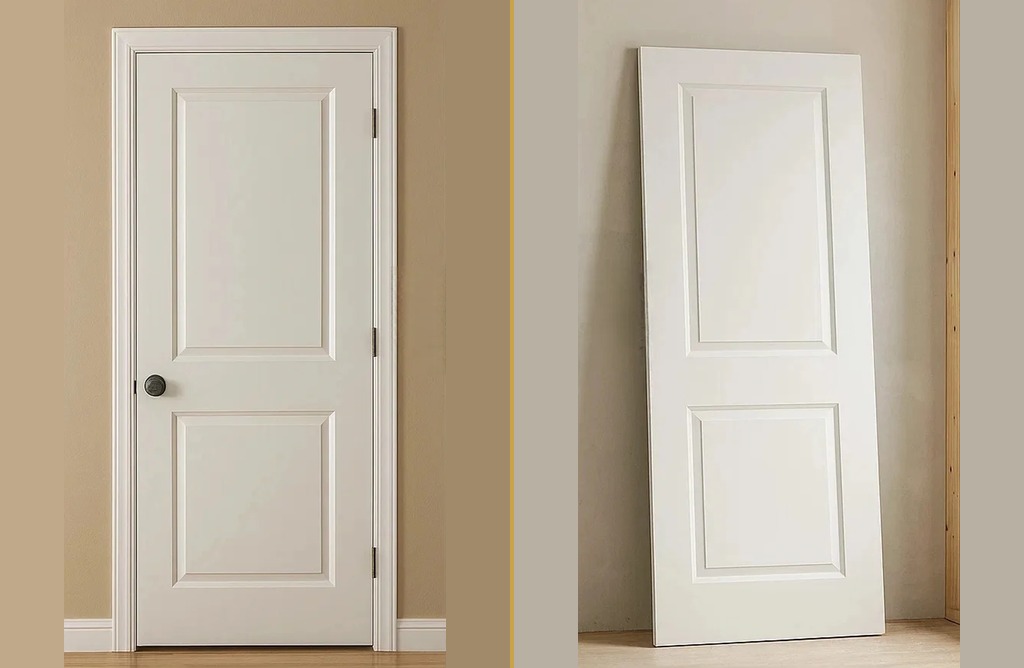
The Two Panel features two raised panels in a simple, symmetrical layout. It is a classic American door format that blends into traditional, transitional, and farmhouse exteriors without calling too much attention to itself. A reliable choice when you want a clean, traditional look without committing to a busier design.
Vision Glass
The Vision Glass offers a full-view glass configuration with a slim frame the most open and light-filled option in the lineup. The fir grain frame gives it warmth and texture without competing with the glass. Best suited for contemporary and modern home styles where transparency and light are part of the design language.
How to Choose the Right Exterior Fir Grain Fiberglass Door for Your Home
With eleven styles available, the choice can feel overwhelming. Break it down into five steps and it gets much simpler.
Step 1: Match the Door to Your Home’s Architecture
Your front door should work with your home, not against it.
- Craftsman and bungalow homes → Craftsman, Craftsman Glass, Craftsman 3P Glass
- Traditional and colonial homes → 5P Glass, Two Panel, 3P Glass
- Modern farmhouse → Craftsman 3P Glass, 8P Glass, Two Panel
- Contemporary and modern → Vision Glass, 1P FG, One Panel
- Transitional → 3P Glass, 1P CG, Craftsman Glass
Step 2: Decide How Much Glass You Want
Glass lets light in, but it also reduces privacy and can affect heat gain in south or west-facing entries.
If your entry faces a busy street or neighbors have a direct sightline, go with a solid door or a configuration with a small glass insert at the top. If your entry is recessed under a porch or faces a private yard, a glass-heavy option like Vision Glass or 8P Glass works great.
Step 3: Pick Your Stain or Paint Color
Fir grain fiberglass takes gel stain beautifully. Here are the most popular finishes in 2026:
- Natural/Light Fir Highlights the grain with a pale, airy tone. Works well on modern and Scandinavian-influenced homes.
- Golden Oak Warm and inviting. Great on craftsman and farmhouse exteriors.
- Dark Walnut Deep, rich, and bold. Looks excellent against brick, stone, or white siding.
- Ebony/Black High-contrast and modern. Works on almost any home style.
You can also paint fir grain fiberglass with a quality exterior latex paint if a solid color fits your home better.
Step 4: Think About Your Climate
If you are in Canada or the northern US Ontario, Quebec, Minnesota, Michigan confirm that your door has a polyurethane insulated foam core. This is standard on quality fiberglass doors and makes a real difference in thermal performance through the winter.
In high-UV climates like Arizona, Nevada, or Southern California, choose a UV-resistant stain or topcoat to prevent color fading over time.
Step 5: Choose Hardware That Finishes the Look
Hardware is the detail that pulls everything together. For fir grain doors:
- Matte black Clean and modern. Works with any stain color.
- Oil-rubbed bronze Rich and traditional. Pairs well with dark walnut and golden oak stains.
- Satin nickel Neutral and versatile. Easy to coordinate with other exterior fixtures.
- Antique brass Warm and classic. Best on craftsman and traditional colonial-style homes.
Keep all exterior hardware in the same finish door handle, deadbolt, house numbers, and light fixtures.
Exterior Fir Grain Fiberglass Door Cost Guide 2026
Prices below are estimated ranges based on current market data. Actual pricing varies based on size, hardware selection, supplier, and whether you purchase a slab only or a prehung unit.
| Door Style | Estimated Price Range (USD) |
|---|---|
| One Panel | $450 – $750 |
| Two Panel | $500 – $800 |
| Craftsman | $550 – $900 |
| 1P CG | $600 – $950 |
| 1P FG | $650 – $1,000 |
| 3P Glass | $700 – $1,050 |
| Craftsman Glass | $750 – $1,100 |
| 5P Glass | $750 – $1,100 |
| Craftsman 3P Glass | $800 – $1,150 |
| 8P Glass | $850 – $1,200 |
| Vision Glass | $950 – $1,350 |
Installation cost: Estimated $200 – $500 depending on your location, the condition of your existing frame, and whether sidelites or a transom are part of the project.
Contact Carlton Doors directly for an accurate quote based on your specific door size and configuration.
Common Mistakes to Avoid When Buying Exterior Fir Grain Fiberglass Doors
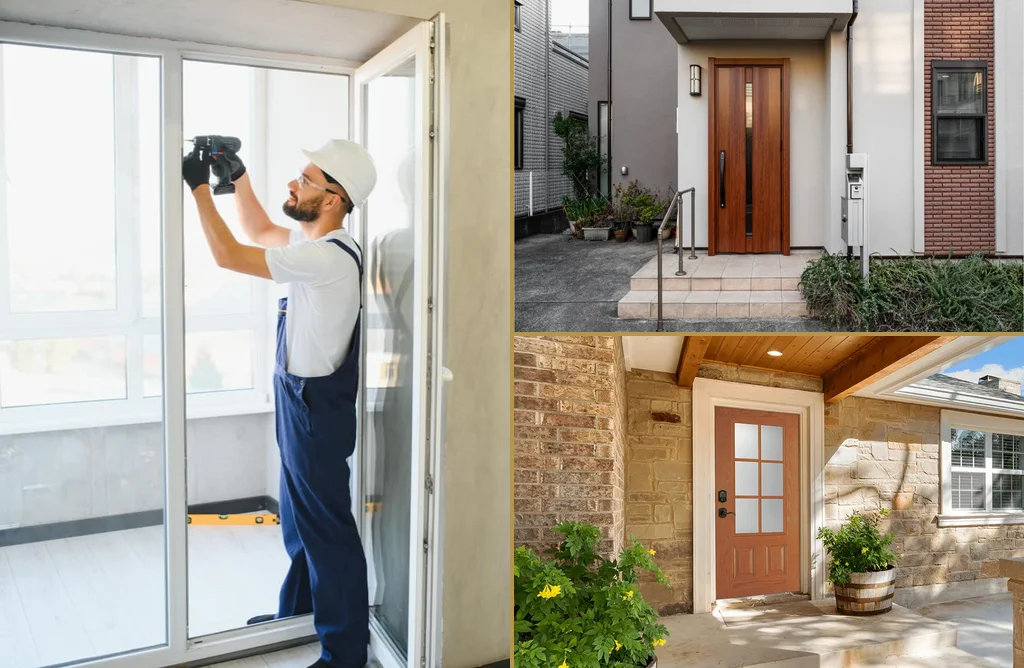
1. Not measuring the rough opening first This is the number one mistake. Standard US exterior door sizes are 32×80 and 36×80, but older homes frequently have non-standard openings. Measure your rough opening before you do anything else. Measure it twice.
2. Skipping the insulated core Not all fiberglass doors are built the same. Always confirm that the door has a polyurethane foam core especially if you are in Canada or anywhere in the northern US. A hollow or poorly insulated door will cost you on heating bills every winter.
3. Choosing the wrong glass configuration for your entry’s orientation A full-view glass door on a south-facing entry in a sunny climate can create a greenhouse effect in your foyer. Think about which direction your entry faces and how much direct sun it gets before choosing a heavy glass configuration.
4. Forgetting to confirm the door swing Left-hand or right-hand swing must match your existing frame and how you want the door to open. Getting this wrong means a return, a delay, and extra cost. Confirm the handing before you order.
5. Using the wrong stain product Regular wood stain does not work correctly on fiberglass. You need a gel stain formulated specifically for fiberglass doors. Using the wrong product results in a blotchy, uneven finish that will not look anything like real wood grain.
Frequently Asked Questions About Exterior Fir Grain Fiberglass Doors
What are exterior fir grain fiberglass doors?
They are fiberglass exterior doors with a molded surface texture that replicates the look of real Douglas fir wood grain. The texture is built into the fiberglass skin, so it can be stained to closely mimic actual fir wood without any of wood’s maintenance issues.
Are fir grain fiberglass doors better than real wood doors?
For most homeowners, yes. Fiberglass does not warp, rot, or crack under weather exposure. It requires significantly less maintenance than real wood while delivering a very similar appearance. Over a 10 to 20 year period, the total cost of ownership is typically much lower.
How long do these doors last?
A quality fir grain fiberglass door, properly installed and maintained, will typically last 30 years or more. The fiberglass material does not degrade the way wood does, and the surface finish can be refreshed with a new coat of stain or paint without replacing the door.
Can you stain a fir grain fiberglass door?
Yes, and they stain exceptionally well. The molded fir grain texture absorbs gel stain in a way that creates a very realistic wood appearance. Use a gel stain specifically formulated for fiberglass doors for the best results.
What styles does Carlton Doors carry in the fir grain lineup?
Carlton Doors carries eleven styles: 1P CG, 1P FG, 3P Glass, 5P Glass, 8P Glass, Craftsman, Craftsman 3P Glass, Craftsman Glass, One Panel, Two Panel, and Vision Glass all in the fir grain finish.
Are exterior fir grain fiberglass doors energy efficient?
Yes. These doors include a polyurethane foam insulated core that provides strong thermal performance. This is especially valuable in cold climates across Canada and the northern United States, where a well-insulated door makes a measurable difference in heating costs.
Which style works best for a craftsman home?
The Craftsman, Craftsman Glass, and Craftsman 3P Glass styles are purpose-built for craftsman and bungalow architecture. The horizontal rail detailing and recessed panel layout match the design language of craftsman homes directly.
Do these doors hold up well in Canadian climates?
Yes. Fiberglass is one of the best materials for Canadian weather conditions. It handles the freeze-thaw cycles of Ontario and Quebec winters without warping or cracking, and the insulated core keeps cold air from moving through the door. Carlton Doors serves homeowners and builders across Canada.
What is the difference between fir grain and mahogany grain fiberglass?
The difference is in the surface texture. Fir grain has a tighter, more linear grain pattern that mimics Douglas fir. Mahogany grain has a wider, more open grain pattern with more visible pore structure. Both accept stain well, but fir grain tends to read as more contemporary and clean, while mahogany grain has a richer, more traditional wood character.
How much maintenance do fir grain fiberglass doors need?
Very little. Occasional cleaning with mild soap and water keeps the surface looking good. Depending on sun exposure and climate, re-staining or re-painting every five to ten years is typically all that is needed far less work than maintaining a real wood door.
Ready to Find Your Exterior Fir Grain Fiberglass Door?
Carlton Doors carries the full lineup of exterior fir grain fiberglass doors for homeowners and builders across the USA and Canada. Whether you are going for a classic craftsman look, a clean one-panel design, or a full-view vision glass entry, there is a style built for your home.
Get in touch with the Carlton Doors team for product availability, accurate pricing, and help finding the right door for your project.
Contact Carlton Doors:
USA:
Phone:+1 (562) 545-1118
Email:info@carltondoors.com
Address: 16448 Manning Way, Cerritos, CA 90703
Canada:
Phone: +1 (437) 238-9088
Address: 2425 Meadowpine Blvd, Unit 2, Mississauga, ON L5N 6L7
Disclaimer: This article is for informational purposes only. Door styles, sizes, and prices may vary by region and project requirements. All prices listed are estimated ranges based on current market data and are subject to change. Carlton Doors recommends consulting with a professional before making final purchasing decisions.
Last Updated: 2026 | Carlton Doors USA & Canada