Introduction
Exterior wall panels are one of the most impactful upgrades you can make to your home in 2026. The right exterior wall panels dramatically transform your home’s curb appeal, protect your walls from harsh weather, and add lasting value to your property.
Whether you are building a new home, renovating an existing exterior, or simply refreshing your home’s facade — exterior wall panels deliver a stunning visual transformation alongside real practical benefits.
This complete guide covers everything you need to know about exterior wall panels — types, materials, styles, costs, installation, and the top trends of 2026 for homeowners in USA and Canada.
What Are Exterior Wall Panels?
Exterior wall panels are protective and decorative cladding systems applied to the outside walls of a home or building. They serve two essential purposes — protecting the structure from weather, moisture, and temperature extremes, while dramatically enhancing the exterior appearance of the property.
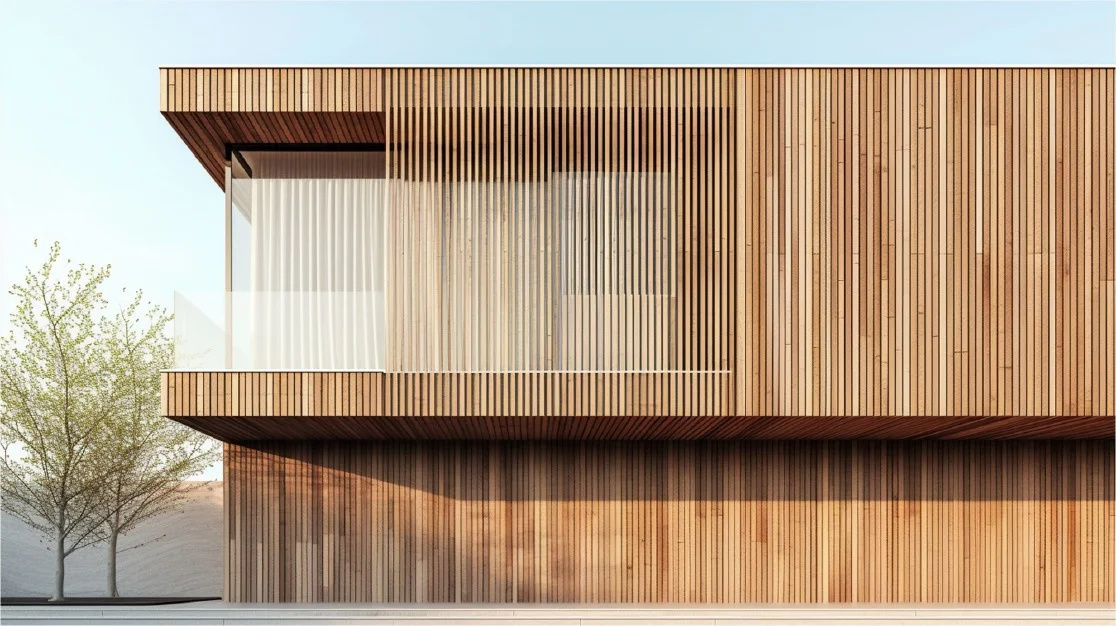
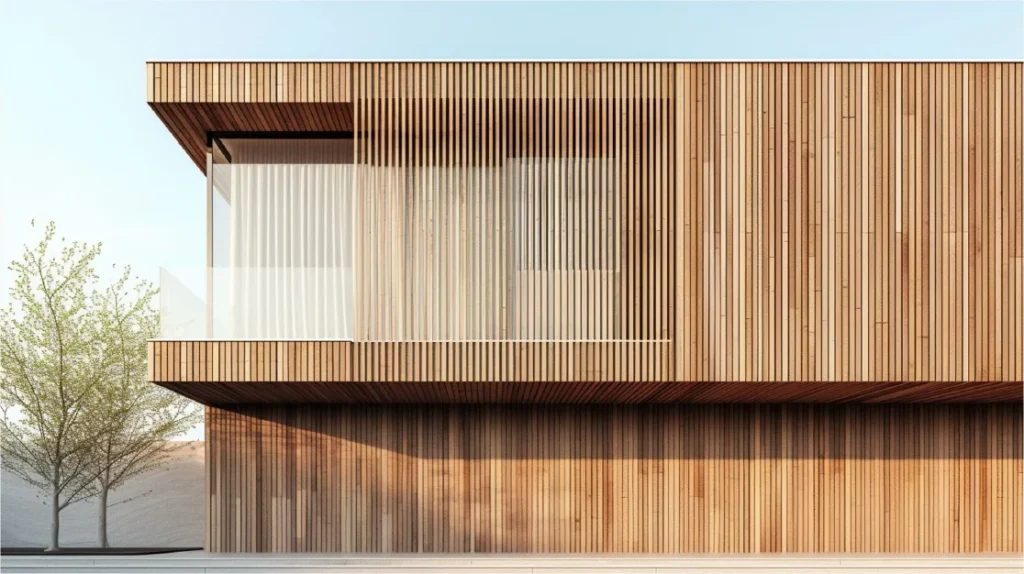
Outdoor wooden wall panels are a popular, eco-friendly choice for sustainable building designs. Made from renewable, carbon-neutral materials, they offer natural aesthetic appeal and can be used in various styles — vertical, horizontal, or diagonal. Wooden cladding in materials like cedar and redwood is durable and versatile, providing an attractive facade for homes of every architectural style.
Benefits of Exterior Wall Panels
Superior Weather Protection
Exterior wall panels form a strong protective barrier against rain, wind, snow, UV rays, and temperature fluctuations. High-quality panels prevent moisture from penetrating the wall structure — protecting your home from water damage, rot, and mold over the long term.
Improved Energy Efficiency
Many exterior wall panel systems provide an additional layer of thermal insulation. This reduces heat loss in winter and heat gain in summer — contributing to lower energy bills and a more comfortable home year-round.
Dramatic Curb Appeal Upgrade
New exterior wall panels instantly transform the appearance of any home. Whether you choose a natural wood finish, a sleek brushed profile, or a bold contemporary cladding style — exterior wall panels create a powerful visual statement that increases your home’s street presence and resale value.
Eco-Friendly & Sustainable
Wood exterior wall panels — particularly cedar and redwood — are made from renewable, carbon-neutral materials. They are one of the most eco-friendly exterior cladding choices available and are increasingly popular among environmentally conscious homeowners in USA and Canada in 2026.
Low Maintenance
Modern exterior wall panels are designed to be durable and low maintenance. High-quality composite and treated wood panels resist fading, warping, cracking, and insect damage — maintaining their appearance for years with minimal upkeep.
Types of Exterior Wall Panels
Brushed Series
Brushed exterior wall panels feature a refined, textured surface finish that adds depth and visual interest to any home exterior. The brushed finish highlights the natural grain and character of the wood — creating a sophisticated, contemporary look. They are available in a range of rich, deep tones and are one of the most popular exterior cladding choices in 2026.
Decking Series
Decking series exterior wall panels bring the warmth and natural beauty of real wood decking to your home’s exterior walls. Available in rich brown, walnut, and teak tones — they create a seamless, cohesive look between exterior walls and outdoor decking areas. They are extremely popular in modern and contemporary home designs in 2026.
Original Series
Original series exterior wall panels feature classic, clean profiles that work beautifully on both modern and traditional home exteriors. They are available in a wide range of natural wood tones and finishes — from light cedar to rich dark walnut. Their versatility makes them the most widely used exterior wall panel series for residential projects across USA and Canada.
Wood Series
Wood series exterior wall panels showcase the natural beauty, texture, and warmth of real wood in its most authentic form. Available in vertical and horizontal profiles — they add architectural character and a timeless, natural aesthetic to any home exterior. Cedar, redwood, and pine are the most popular species choices in 2026.
Popular Exterior Wall Panel Profiles
Exterior wall panels are available in several installation profiles — each creating a distinctly different visual effect:
Rectangular Battens — Clean, straight vertical or horizontal strips that create a bold, contemporary facade. One of the most popular profiles for modern homes in 2026.
Circle Battens — Rounded profile strips that add a softer, more organic feel to the exterior. Popular in Scandinavian and nature-inspired home designs.
Wavy Pattern — Gently curved panels that add a dynamic, flowing visual texture to the exterior wall. A bold and distinctive design choice for contemporary homes.
Special Pattern — Custom and decorative profiles for homeowners who want a truly unique exterior cladding design.
Exterior Wall Panel Styles Trending in 2026
Vertical Cladding
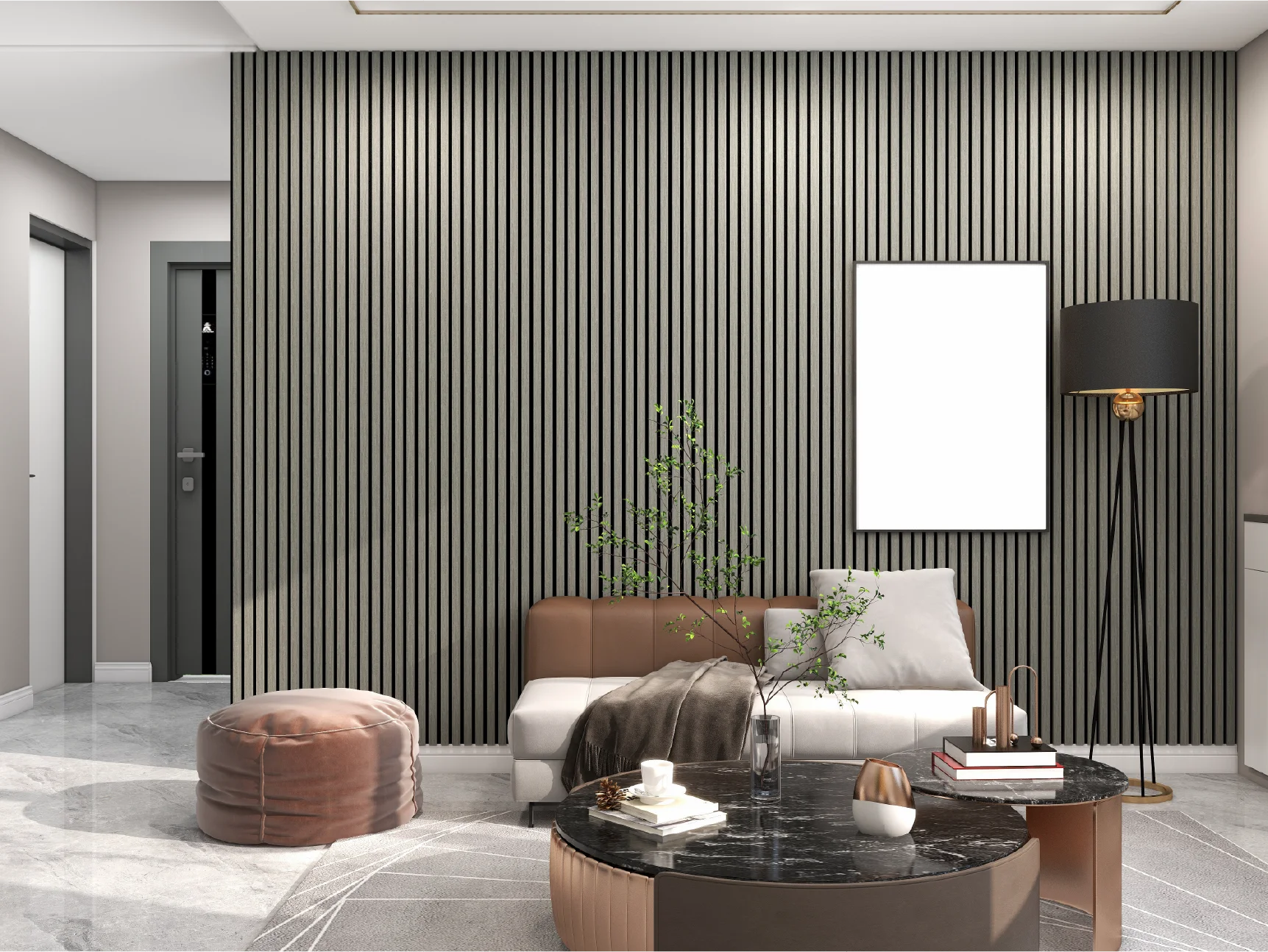
Vertical exterior wall panels are one of the biggest cladding trends of 2026. They make homes appear taller and more dramatic — creating a bold, contemporary architectural statement. Natural wood and brushed finish panels in dark charcoal and rich walnut tones are the most popular choices.
Horizontal Cladding
Horizontal exterior wall panels give homes a sleek, modern, and low-profile appearance. They are especially popular on single-story and ranch-style homes. Light cedar and warm natural wood tones are the top color choices for horizontal cladding in 2026.
Mixed Direction Cladding
Combining vertical and horizontal panels on the same exterior creates a dynamic, architectural look that is trending strongly in 2026. This approach adds visual interest and allows homeowners to define different zones and features on the exterior facade.
Dark Wood Exteriors
Dark stained wood exterior panels — particularly deep charcoal, ebony, and dark walnut finishes — are one of the most dramatic and sought-after exterior design trends of 2026. They create a bold, modern, and sophisticated home exterior that stands out on any street.
Best Materials for Exterior Wall Panels
Cedar
Cedar is the most popular natural wood for exterior wall panels in USA and Canada. It is naturally resistant to moisture, rot, and insect damage — making it an excellent choice for all climates. Cedar weathers beautifully over time and develops a natural silver-grey patina that many homeowners find highly desirable.
Redwood
Redwood is a premium exterior cladding material prized for its natural beauty, durability, and resistance to moisture and decay. It is one of the most long-lasting natural wood cladding options available — making it a top choice for luxury home exteriors.
Composite Wood
Composite wood exterior panels combine natural wood fiber with synthetic materials for a product that is more durable and stable than solid wood. They resist warping, cracking, fading, and insect damage — making them an excellent low-maintenance alternative to natural wood cladding.
Thermally Modified Wood
Thermally modified wood is natural wood that has been heat-treated to dramatically improve its durability, stability, and resistance to moisture and decay. It is one of the premium exterior wall panel materials trending in 2026 — particularly for high-end residential and commercial projects.
Exterior Wall Panel Colors & Finishes in 2026
Natural Wood Tones — Cedar, pine, and light oak finishes remain the most popular exterior wall panel choice for their warmth and natural beauty.
Dark Charcoal & Black — Bold dark finishes are trending strongly in 2026 for contemporary and modern home exteriors.
Rich Walnut & Teak — Deep brown wood tones add warmth and luxury to any home exterior.
Weathered Grey — Natural weathered grey finishes give homes a relaxed, coastal, and Scandinavian-inspired aesthetic.
Exterior Wall Panel Cost Guide 2026
| Panel Type | Price Range Per Square Foot | Best For |
|---|---|---|
| Cedar Cladding | $5 – $15 | Natural look, all climates |
| Composite Wood Panels | $8 – $20 | Low maintenance, durability |
| Redwood Cladding | $10 – $25 | Premium natural exteriors |
| Brushed Series Panels | $12 – $28 | Contemporary modern homes |
| Thermally Modified Wood | $15 – $35+ | Luxury and high-end exteriors |
Note: Prices may vary by location, supplier, and market conditions. Installation costs are not included. Always get multiple quotes before making a final purchase decision.
How to Maintain Exterior Wall Panels
Proper maintenance extends the life and appearance of your exterior wall panels significantly.
Regular Cleaning — Clean panels once or twice a year with a mild soap and water solution or a low-pressure wash to remove dirt, mold, and algae buildup.
Inspect Annually — Check panels annually for signs of damage, cracking, warping, or loose fixings. Address any issues promptly to prevent water ingress.
Re-stain or Re-seal — Natural wood panels should be re-stained or re-sealed every 2 to 4 years to maintain their appearance and protect against moisture and UV damage.
Check Fixings — Inspect and tighten any loose nails, screws, or clips annually to ensure panels remain securely fixed to the wall.
Common Exterior Wall Panel Mistakes to Avoid
- Choosing the wrong material for your climate — always select panels rated for your specific climate conditions
- Skipping proper wall preparation — always ensure the wall surface is clean, dry, and properly prepared before installation
- Using indoor panels outdoors — always use panels specifically designed and rated for exterior use
- Ignoring ventilation — exterior wall panel systems require adequate ventilation behind the panels to prevent moisture buildup
- Skipping professional installation — improper installation leads to moisture infiltration, warping, and structural damage
- Choosing style over durability — always prioritize material quality and weather resistance alongside aesthetics
Frequently Asked Questions (FAQs)
Q1. What are exterior wall panels made of?
Exterior wall panels are made from a variety of materials including natural wood — cedar, redwood, pine — composite wood, fiber cement, PVC, and thermally modified wood. Each material offers different benefits in terms of durability, appearance, maintenance requirements, and climate suitability.
Q2. Are exterior wall panels waterproof?
High-quality exterior wall panels are designed to be highly water resistant. Cedar, redwood, and composite panels offer excellent moisture resistance. All exterior panels should be properly installed with adequate ventilation and sealed joints to prevent water ingress.
Q3. What is the most popular exterior wall panel material in 2026?
Cedar and composite wood panels are the most popular exterior wall panel materials in USA and Canada in 2026. Cedar is favored for its natural beauty and durability, while composite panels are popular for their low maintenance and long-lasting performance.
Q4. How long do exterior wall panels last?
High-quality cedar and redwood exterior wall panels can last 25 to 50 years with proper maintenance. Composite wood panels can last 30 to 40 years with minimal upkeep. Thermally modified wood panels offer a lifespan of 30 to 50 years or more.
Q5. Are exterior wall panels eco-friendly?
Yes. Natural wood exterior wall panels — particularly cedar and redwood — are made from renewable, carbon-neutral materials and are one of the most eco-friendly exterior cladding options available. Thermally modified wood is also an excellent eco-friendly choice as it uses no chemicals in the modification process.
Q6. Can exterior wall panels be installed over existing siding?
In many cases, yes. Exterior wall panels can be installed over existing siding provided the existing surface is structurally sound, flat, and properly prepared. Always consult a professional installer to assess the suitability of your existing wall surface before installation.
Q7. What is the best exterior wall panel for a coastal home?
Composite wood and thermally modified wood panels are the best choices for coastal homes. They offer superior resistance to moisture, salt air, and humidity — making them far more durable than untreated natural wood in coastal environments.
Q8. Do exterior wall panels improve home insulation?
Yes. Exterior wall panel systems — particularly those with an insulated backing — provide an additional layer of thermal insulation that helps reduce heat loss in winter and heat gain in summer. This contributes to improved energy efficiency and lower heating and cooling costs.
Q9. What exterior wall panel style is most popular in 2026?
Vertical wood cladding in natural wood tones and dark charcoal finishes is the most popular exterior wall panel style in 2026. Brushed finish panels and mixed direction cladding — combining vertical and horizontal panels — are also trending strongly across USA and Canada.
Q10. How do I choose the right exterior wall panels for my home?
First, consider your home’s architectural style and the climate in your region. Then evaluate your maintenance preferences, budget, and desired aesthetic. Choose a material, profile, and finish that complements your home’s existing exterior design and meets your durability and performance requirements.
Transform Your Home Exterior with Carlton Doors
Carlton Doors has extensive experience helping homeowners, builders, and designers across USA and Canada find the perfect exterior wall panels — in the right styles, materials, and finishes — at affordable prices. Contact us today for a free consultation.
Carlton Doors
USA:
Phone:+1 (562) 545-1118
Email:info@carltondoors.com
Address: 16448 Manning Way, Cerritos, CA 90703
Canada:
Phone: +1 (437) 238-9088
Address: 2425 Meadowpine Blvd, Unit 2, Mississauga, ON L5N 6L7
Disclaimer
The information in this article is for general informational purposes only. Prices, trends, and product availability may vary by location, supplier, and market conditions. Carlton Doors does not guarantee the accuracy of the information provided. For personalized advice and accurate pricing, please contact Carlton Doors directly.