When homeowners plan a window replacement or a new build, the decision almost always comes down to double hung vs casement windows. Both are widely used across the USA. Both perform well when installed correctly. But they open differently, seal differently, and suit different homes. Picking the wrong one means living with drafts, awkward cleaning, or a window that just looks out of place.
This guide compares both styles honestly. What they are, how they perform, what they cost, and how to choose the right one before you order a single window.
What Are Double Hung Windows?
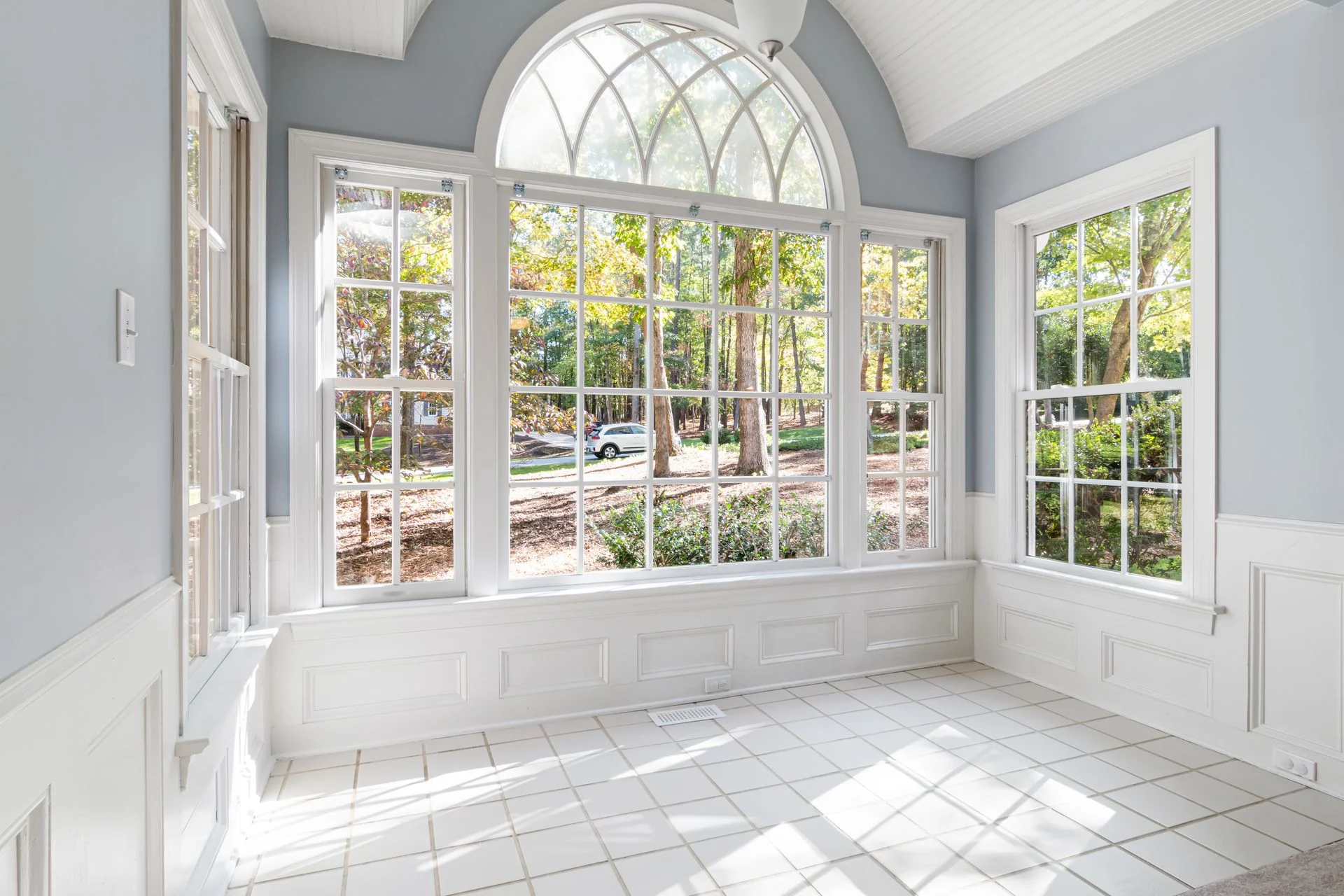
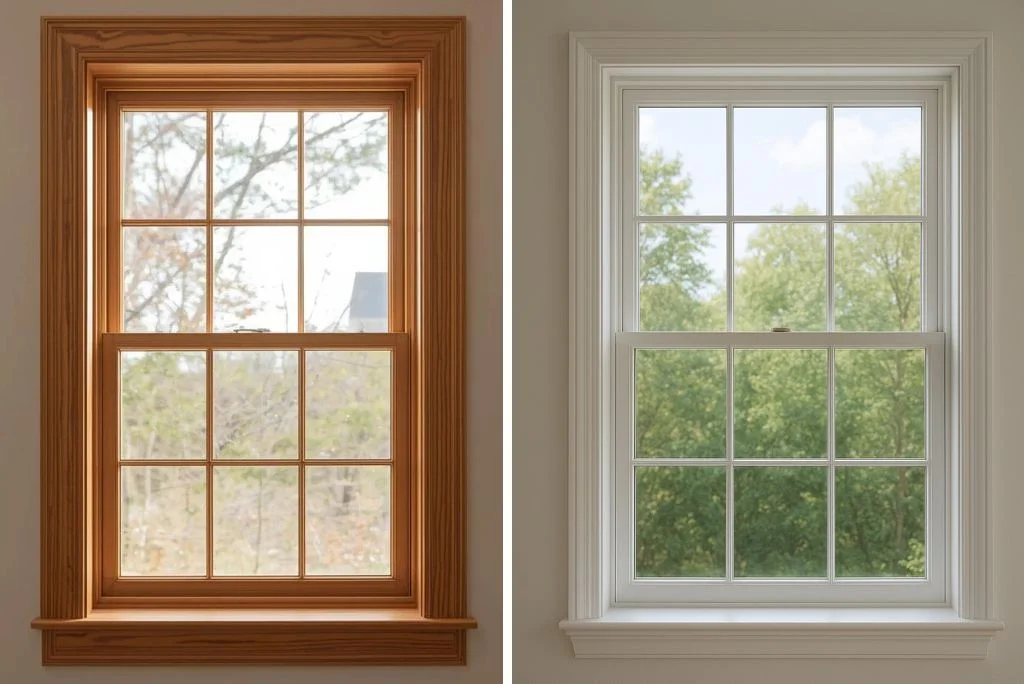
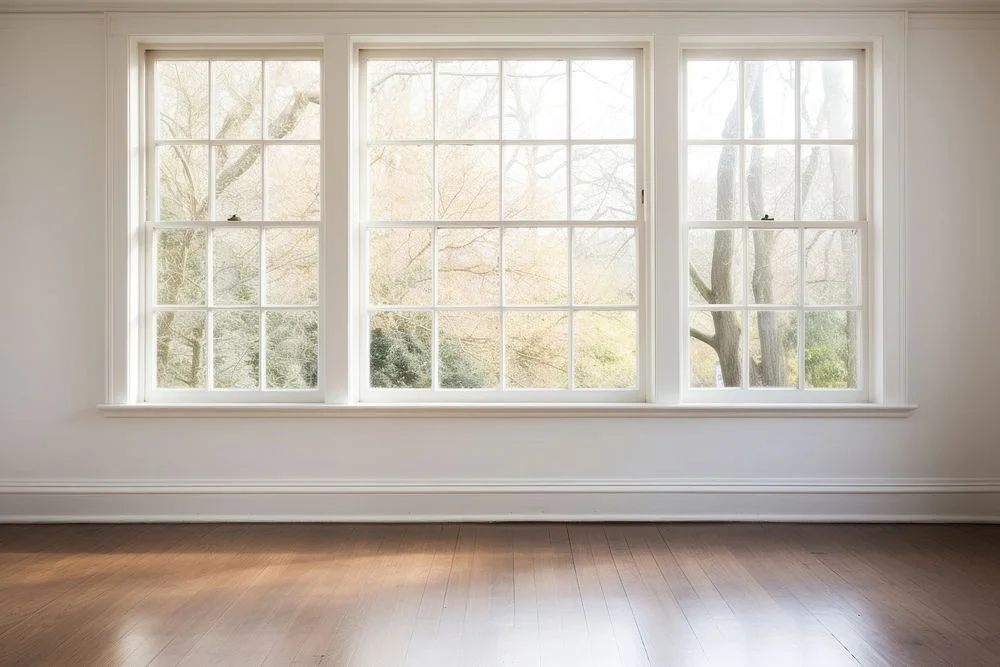
Double hung windows have two sashes that slide vertically within the frame. The bottom sash slides up, the top sash slides down, and both can be opened at the same time to create airflow at the top and bottom of the window. Most double hung windows also tilt inward, which makes cleaning the outside glass possible from inside the home.
This style has been standard in American residential construction for generations. It fits colonial, traditional, craftsman, and farmhouse homes without looking out of place, and it remains the most requested window type for replacement projects in older houses where the original window openings were built for a vertical-slide design.
What Are Casement Windows?
Casement windows are hinged on one side and open outward using a crank handle, similar to how a door swings open. When closed, the sash presses firmly against the frame, which creates one of the tightest seals available in residential windows.
Because the entire sash swings open, casement windows can catch and direct passing breezes into the home more effectively than a sliding window. The style is common in modern, contemporary, and craftsman homes, and it has grown in popularity across new construction in the USA over the past decade, particularly in homes built with energy efficiency as a priority.
Double Hung vs Casement Windows: Key Differences at a Glance
| Feature | Double Hung Windows | Casement Windows |
|---|---|---|
| Operation | Slides vertically, two sashes | Cranks open outward, hinged |
| Best Home Style | Traditional, colonial, farmhouse | Modern, contemporary, craftsman |
| Ventilation | Moderate, top and bottom airflow | Strong, catches side breezes |
| Energy Efficiency | Good | Excellent, tighter seal |
| Cleaning | Easy, tilts inward | Easy, opens fully outward |
| Screen Placement | Exterior screen | Interior screen |
| Cost Range | Lower to mid-range | Mid to higher range |
| Obstruction Risk | None, opens within frame | Can hit walkways, decks, or plants |
Double Hung vs Casement Windows: Pros and Cons of Double Hung
Pros
Works in almost any home. Double hung windows are one of the most versatile window styles built. Whether your home is a century-old colonial or a newer traditional build, double hung fits without a fight. Real estate professionals often point to double hung as the safer resale choice because it appeals to the widest range of buyers.
No outward obstruction. Since the sashes slide within the frame, double hung windows never swing into a walkway, deck, or planting bed. This makes them a practical choice near patios, porches, and tight side yards.
Familiar operation. Most homeowners already know how to use a double hung window. There is no crank mechanism to maintain or replace, which keeps long-term upkeep simple.
Flexible partial ventilation. Opening just the top sash lets in air while keeping the bottom sash secured, which is useful for households with children or pets.
Cons
Slightly less airtight. Because two sashes slide against each other, double hung windows typically have a small amount of air leakage compared to a casement window’s compression seal, even in well-built units.
Screen sits outside. Cleaning or replacing the screen means working from the exterior, which can be less convenient than a casement window’s interior screen access.
Moving parts on both sashes. Balances, springs, or weights inside the frame can wear over time, and older double hung windows sometimes become harder to slide smoothly.
Double Hung vs Casement Windows: Pros and Cons of Casement
Pros
Superior seal and energy efficiency. The crank mechanism pulls the sash tightly against the frame when closed, which reduces air leakage more effectively than a sliding design. This matters most in colder climates or homes with high energy bills.
Better ventilation from side breezes. Because the sash opens outward like a wing, casement windows can catch and funnel air into a room, even in a light breeze, more effectively than a straight vertical slide.
Unobstructed view. With no center rail dividing the window into two sashes, casement windows often provide a clearer, more open view of the outdoors.
Interior screen access. The screen sits on the inside of a casement window, which makes cleaning and maintenance more convenient without stepping outside.
Cons
Outward swing can be a problem. A casement window opens directly outward, which can interfere with a nearby walkway, deck railing, or landscaping if not planned for during installation.
Crank mechanism needs upkeep. The hardware that opens and closes the window can wear down over years of use and may eventually need repair or replacement.
Higher cost in most markets. Casement windows generally cost more per unit than double hung windows of a similar size, largely due to the hardware and tighter manufacturing tolerances required for the seal.
Double Hung vs Casement Windows: Cost Comparison 2026
Prices below are estimated ranges based on current market data. Actual cost depends on material, size, brand, and region. Contact Carlton Doors for accurate pricing based on your specific project.
| Window Type | Estimated Price Per Unit (USD) |
|---|---|
| Double hung, vinyl, standard size | $300 – $650 |
| Double hung, wood, standard size | $500 – $1,100 |
| Casement, vinyl, standard size | $400 – $800 |
| Casement, wood, standard size | $600 – $1,300 |
| Casement, premium/energy-rated | $700 – $1,600 |
Installation typically adds $150 to $400 per window depending on whether it’s a retrofit or a full frame replacement. A full home window replacement project in the USA generally runs between $4,000 and $18,000, depending on the number of windows, material, and region. Canadian pricing in Ontario and British Columbia tends to run 10 to 20 percent higher than US estimates when converted to CAD.
How to Choose Between Double Hung vs Casement Windows
Step 1: Start with your home’s architecture
If your home has traditional trim, a colonial or farmhouse layout, or simply matches the double hung windows already installed, staying with double hung is the safer visual choice. Modern or craftsman homes with clean lines often suit casement windows better.
Step 2: Check what’s directly outside each window
Casement windows need clearance to swing open. If a deck, walkway, air conditioning unit, or dense planting sits close to the window, double hung avoids the obstruction entirely.
Step 3: Think about your climate
Homes in colder regions benefit from the tighter seal casement windows provide. In milder climates, the small efficiency gap between the two styles matters less, and double hung’s lower cost can be the deciding factor.
Step 4: Consider who uses the home
Households with young children may prefer double hung windows for the ability to open only the top sash. Households that prioritize airflow and view may lean toward casement.
Step 5: Set your budget before you fall in love with a style
Casement windows generally cost more, especially in wood or premium energy-rated options. Know your number before visiting a showroom so the decision is not made on style alone.
Common Mistakes to Avoid
Choosing based on photos alone
A style that looks sharp in a listing photo may not suit your home’s actual architecture, sightlines, or surrounding landscaping. Use inspiration photos as a starting point, not a final decision.
Ignoring exterior clearance
Homeowners sometimes order casement windows without checking whether nearby decks, railings, or shrubs will block the sash from opening fully. Always measure the exterior clearance before ordering.
Skipping the energy rating conversation
Not all double hung or casement windows perform the same. U-factor, air leakage rating, and glass type determine real-world performance more than the operating style alone. Always ask for these numbers before you buy.
Mixing styles without a plan
Some homes use casement windows on the front elevation and double hung on the sides for cost reasons. This can look intentional or inconsistent depending on execution, so it needs to be planned, not assembled by default.
Not measuring twice
Window sizing mistakes are expensive to fix after installation. Measure each opening carefully and verify the order with a professional before placing it.
Double Hung vs Casement Windows: Summary Comparison
| Feature | Double Hung | Casement |
|---|---|---|
| Best Kitchen or Room Placement | Anywhere, no clearance needed | Away from walkways and decks |
| Airtight Seal | Good | Excellent |
| Resale Appeal | Broad, familiar to most buyers | Strong in modern home markets |
| Long-Term Maintenance | Balance/spring wear over decades | Crank mechanism wear over decades |
| Typical Cost | Lower | Higher |
Frequently Asked Questions
Which is better: double hung or casement windows?
Neither is objectively better. Double hung windows suit traditional and colonial homes and cost less on average. Casement windows offer a tighter seal and better ventilation but need outward clearance and typically cost more. The right choice depends on your home’s style, climate, and budget.
Are casement windows more energy efficient than double hung windows?
Generally, yes. The crank mechanism on a casement window compresses the sash against the frame when closed, which creates a tighter seal than the sliding design of a double hung window. The difference matters most in colder climates.
Do double hung windows cost less than casement windows?
In most markets, yes. Double hung windows in vinyl or wood typically cost less per unit than casement windows of a similar size, mainly because casement windows require more hardware and tighter manufacturing tolerances.
Can casement windows be installed near a deck or walkway?
It depends on clearance. Casement windows swing outward, so they need open space to operate fully. If a deck, railing, or walkway sits too close to the window, double hung is usually the safer choice for that location.
How do I clean double hung vs casement windows?
Most double hung windows tilt inward, allowing the exterior glass to be cleaned from inside the home. Casement windows open fully outward, which also allows both sides of the glass to be reached without going outside.
Do double hung windows let in as much air as casement windows?
Casement windows generally provide stronger ventilation because the full sash opens outward and can catch side breezes. Double hung windows offer good but more moderate airflow, since only part of the window opening is exposed at a time.
Which window style is better for older homes?
Double hung windows are typically the better match for older homes, especially colonial, craftsman, and farmhouse styles where the original window openings were designed for a vertical-slide window.
Are double hung windows or casement windows easier to maintain long term?
Both have moving parts that can wear over time. Double hung windows rely on balances or springs, while casement windows rely on a crank mechanism. Neither requires unusual maintenance, but hardware on either style can eventually need adjustment or replacement.
Ready to Choose Your Windows?
Carlton Doors supplies double hung and casement windows for homeowners and builders across the USA and Canada. Whether you want the classic look of double hung or the tight seal and airflow of casement, the Carlton Doors team can help you find the right style, material, and size for your home and budget.
Get in touch for product availability, accurate pricing, and guidance on your window project.
Contact Carlton Doors
USA:
Phone:+1 (562) 545-1118
Email:info@carltondoors.com
Address: 16448 Manning Way, Cerritos, CA 90703
Canada:
Phone: +1 (437) 238-9088
Address: 2425 Meadowpine Blvd, Unit 2, Mississauga, ON L5N 6L7
Disclaimer: This article is for informational purposes only. Window styles, pricing, and availability may vary by region and supplier. All prices listed are estimated ranges and are subject to change. Carlton Doors recommends consulting with a professional before making final purchasing decisions.
Carlton Doors USA & Canada