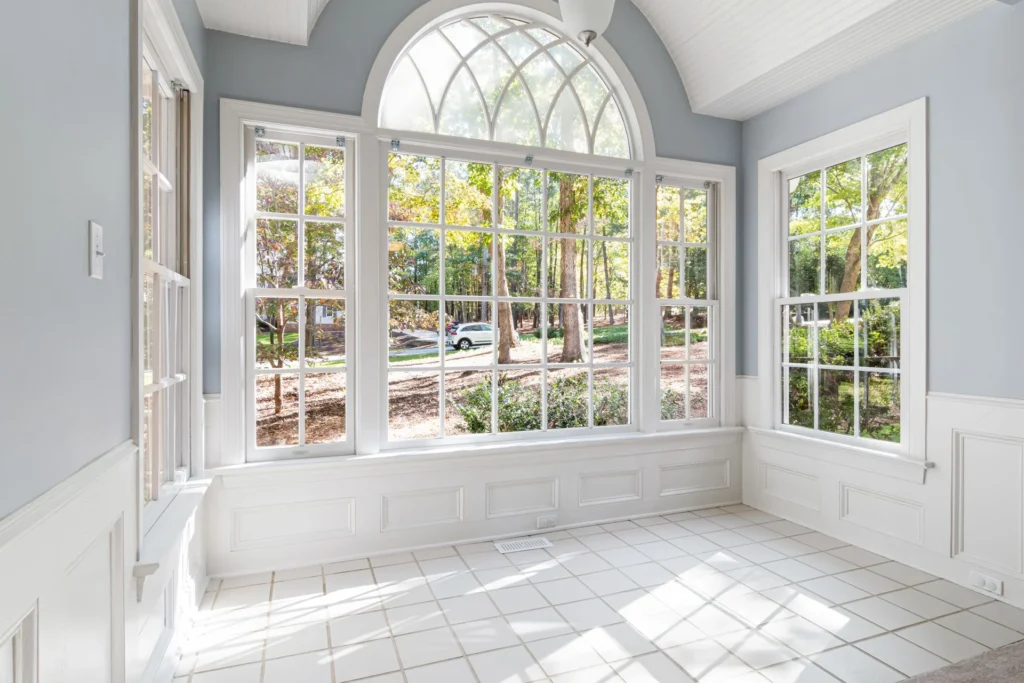
Energy efficient windows for homes come with a real upfront cost, and homeowners are right to ask whether the difference actually pays off. The short answer is that it depends on your climate, your current windows, and how long you plan to stay in the home. The longer answer takes a closer look at the ratings, the glass technology, and the real numbers behind the marketing.
This guide breaks down what actually makes a window energy efficient, what it costs, what it saves, and how to decide if the upgrade makes sense for your home.
What Makes a Window Energy Efficient?
Energy efficiency in a window comes down to how well it blocks heat transfer and air leakage, not just how many panes of glass it has. Three ratings matter most.
U-factor
measures how much heat escapes through the window. Lower numbers mean better insulation. Most energy efficient windows for homes in cold climates target a U-factor of 0.30 or lower.
SHGC (Solar Heat Gain Coefficient)
measures how much solar heat passes through the glass. A lower SHGC works better in hot climates where you want to block heat, while a higher SHGC can help in colder climates by letting in more passive solar warmth.
Air leakage rating
measures how much air passes through the gaps in the window assembly when closed. Lower numbers mean a tighter seal and less draft.
ENERGY STAR certification
combines these factors into a single label, but the specific requirements vary by climate zone. A window certified for the Northern zone isn’t necessarily the same specification recommended for the Southern zone, so checking the zone-specific rating matters more than the label alone.
Types of Energy Efficient Windows for Homes
Double-pane glass
uses two panes of glass with a sealed air or gas space between them. This is the standard baseline for energy efficient windows for homes today and offers a meaningful improvement over older single-pane windows.
Triple-pane glass
adds a third pane, further reducing heat transfer. It costs more and adds some weight to the window, but it performs noticeably better in extreme cold climates.
Low-E coatings
are a microscopically thin metallic layer applied to the glass that reflects heat while still allowing visible light through. Most energy efficient windows for homes now include some form of low-E coating as a standard feature, not an upgrade.
Gas fills
replace the air between panes with argon or krypton gas, which conducts less heat than regular air. Argon is more common and more affordable; krypton offers a slight performance edge at a higher cost, usually reserved for triple-pane windows.
Insulated frames
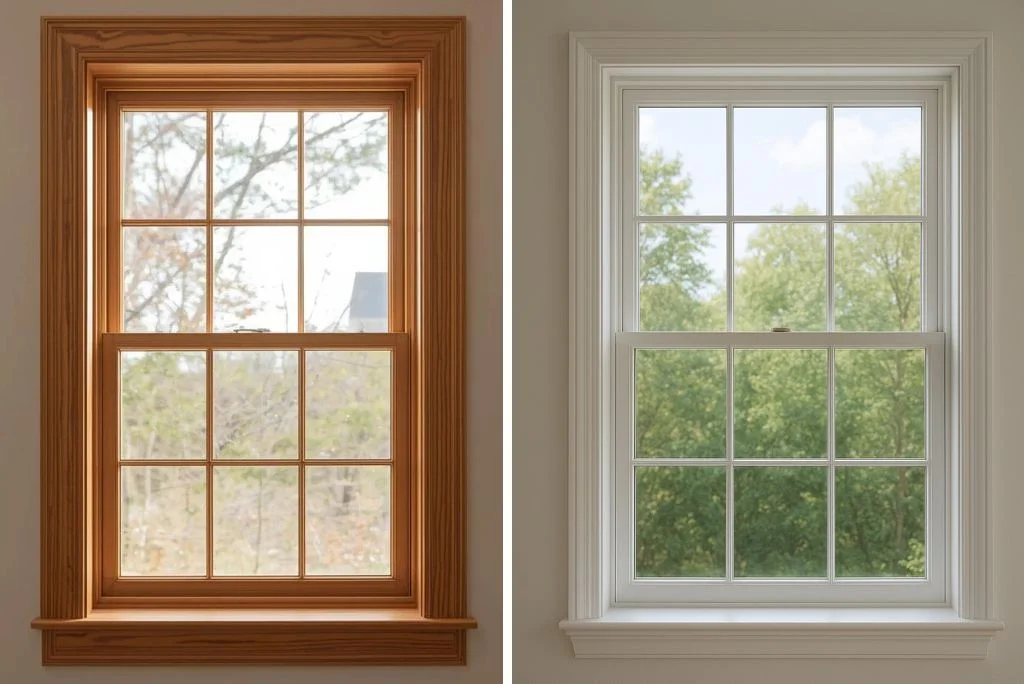
matter as much as the glass. Vinyl and fiberglass frames naturally insulate better than aluminum, and frame insulation can account for a meaningful share of a window’s total energy performance.
Energy Efficient Windows for Homes: Ratings at a Glance
| Rating | What It Measures | Better Performance |
|---|---|---|
| U-factor | Heat loss through the window | Lower number |
| SHGC | Solar heat passing through glass | Depends on climate |
| Air Leakage | Draft through window gaps | Lower number |
| Visible Transmittance | Natural light passed through | Higher number, without sacrificing insulation |
| ENERGY STAR Zone | Climate-specific certification | Match to your actual zone |
Are Energy Efficient Windows for Homes Worth It?
This is the real question behind the upgrade, and the honest answer is: it depends on what you’re replacing and where you live.
If you’re replacing old single-pane windows, the upgrade is almost always worth it. Single-pane windows lose heat dramatically faster than any modern double or triple-pane option, and the energy savings alone often justify the cost within a reasonable timeframe.
If you’re replacing older double-pane windows with newer, more efficient double-pane models, the savings are real but smaller. The payback period is longer, and the decision often comes down to comfort, noise reduction, and condensation control as much as pure energy savings.
If you live in an extreme climate, whether very cold winters or very hot summers, the performance gap between a basic window and a high-efficiency window is larger, which shortens the payback period and strengthens the case for upgrading.
If you live in a mild climate, the energy savings alone may take longer to offset the higher upfront cost. In that case, other benefits like noise reduction, UV protection for furniture and flooring, and improved comfort near windows can still make the investment worthwhile.
Energy Efficient Windows for Homes: Cost Comparison 2026
Prices below are estimated ranges based on current market data, including standard installation. Actual cost depends on brand, size, and region. Contact Carlton Doors for accurate pricing on your specific project.
| Window Type | Estimated Cost Per Window (USD, installed) |
|---|---|
| Standard double-pane, no low-E | $350 – $700 |
| Double-pane with low-E coating | $450 – $900 |
| Double-pane, argon-filled, low-E | $550 – $1,050 |
| Triple-pane, low-E, gas-filled | $750 – $1,500 |
A full home upgrade to energy efficient windows for homes in the USA typically runs between $6,000 and $20,000, depending on home size and window count. Canadian pricing in Ontario and British Columbia generally runs 10 to 20 percent higher than equivalent US pricing when converted to CAD, partly due to the added emphasis on cold-climate performance in many Canadian building codes.
Estimated annual energy savings from upgrading old single-pane windows to ENERGY STAR-certified windows typically range from $100 to $580 per year, depending on home size, climate, and current insulation levels, based on figures published by the ENERGY STAR program.
How to Choose Energy Efficient Windows for Homes
Step 1: Identify your climate zone.
ENERGY STAR ratings are climate-zone specific. A window rated well for the Northern zone isn’t automatically the right choice for the Southern or South-Central zone.
Step 2: Check your current windows first.
Single-pane windows almost always justify an upgrade. Newer double-pane windows may only need targeted upgrades, like adding storm windows or resealing, rather than full replacement.
Step 3: Prioritize U-factor and SHGC over marketing labels.
“Energy efficient” on a label doesn’t tell you the actual numbers. Ask for the specific U-factor and SHGC rating and compare them directly across brands.
Step 4: Match the glass package to your climate.
Cold climates benefit most from a low U-factor and higher SHGC. Hot climates benefit from a low U-factor and lower SHGC to block solar heat gain.
Step 5: Factor in frame material.
Vinyl and fiberglass frames insulate better than aluminum. A high-performance glass package loses some of its value if it’s installed in a poorly insulating frame.
Common Mistakes to Avoid
Assuming all ENERGY STAR windows perform the same.
Certification requirements vary by climate zone, so a window that’s ENERGY STAR certified for one region may not meet the bar for another.
Ignoring the frame material
Homeowners often focus entirely on the glass package and overlook that frame material affects total window performance significantly.
Skipping the rebate research
Many states, provinces, and utility companies offer rebates or tax credits for ENERGY STAR-certified window replacement. Skipping this research means missing out on real savings that can shorten the payback period.
Overbuying for a mild climate
Triple-pane, krypton-filled windows are excellent in extreme cold but may not be worth the added cost in a mild climate where a well-made double-pane window performs nearly as well.
Focusing only on energy bills
Noise reduction, UV protection, reduced condensation, and improved comfort near windows are real benefits that don’t show up on a utility bill but still add value to the upgrade.
Energy Efficient Windows for Homes: Savings Summary
| Scenario | Upgrade Priority | Typical Payback Timeline |
|---|---|---|
| Replacing single-pane windows | High | Faster, often within several years |
| Replacing older double-pane windows | Moderate | Longer, depends on climate |
| Extreme climate (very hot or cold) | High | Faster due to larger performance gap |
| Mild climate | Lower priority for energy savings alone | Longer, other benefits matter more |
Frequently Asked Questions
Are energy efficient windows for homes actually worth the extra cost?
It depends on what you’re replacing. Upgrading from single-pane windows almost always pays off through energy savings, comfort, and noise reduction. Upgrading from newer double-pane windows offers smaller, slower savings, though added comfort and reduced UV damage to furnishings still provide value.
What is the most important rating to check for energy efficient windows for homes?
U-factor is generally the most important number to check, since it measures how much heat the window loses. SHGC matters next, and its ideal value depends on whether you’re in a hot or cold climate.
How much can energy efficient windows for homes actually save on utility bills?
Based on ENERGY STAR program estimates, replacing old single-pane windows can save homeowners between $100 and $580 per year, depending on home size, climate, and existing insulation levels.
Is triple-pane glass necessary for energy efficient windows for homes?
Not always. Triple-pane glass offers real benefits in extreme cold climates, but in mild climates, a well-made double-pane window with low-E coating and argon fill often performs nearly as well at a lower cost.
Do energy efficient windows for homes qualify for rebates or tax credits?
Often, yes. Many states, provinces, and utility companies offer rebates or tax credits for ENERGY STAR-certified window replacement. Programs and amounts vary by location, so it’s worth checking local and federal options before budgeting.
Does frame material affect how energy efficient a window is?
Yes. Vinyl and fiberglass frames naturally insulate better than aluminum. Frame material can account for a meaningful share of a window’s total energy performance, even with a high-quality glass package.
How long does it take for energy efficient windows to pay for themselves?
Payback periods vary widely, from a few years when replacing single-pane windows in an extreme climate, to over a decade when replacing newer double-pane windows in a mild climate. Rebates and tax credits can shorten this timeline.
Are energy efficient windows for homes worth it if I’m planning to sell soon?
They can still add value through improved comfort and curb appeal, and ENERGY STAR certification is increasingly a feature buyers look for. However, if the primary goal is resale within a year or two, a full window replacement may not fully recoup its cost through sale price alone.
Ready to Upgrade to Energy Efficient Windows?
Carlton Doors supplies energy efficient windows for homeowners and builders across the USA and Canada. Whether you’re replacing single-pane windows or upgrading to a higher-performance glass package, the Carlton Doors team can help you choose the right rating, material, and style for your climate and budget.
Get in touch for product availability, accurate pricing, and guidance on your window upgrade project.
Contact Carlton Doors
USA:
Phone:+1 (562) 545-1118
Email:info@carltondoors.com
Address: 16448 Manning Way, Cerritos, CA 90703
Canada:
Phone: +1 (437) 238-9088
Address: 2425 Meadowpine Blvd, Unit 2, Mississauga, ON L5N 6L7
Disclaimer: This article is for informational purposes only. Window pricing, rebate availability, and savings estimates may vary by region and supplier. All prices and savings listed are estimated ranges and are subject to change. Carlton Doors recommends consulting with a professional before making final purchasing decisions.
Carlton Doors USA & Canada