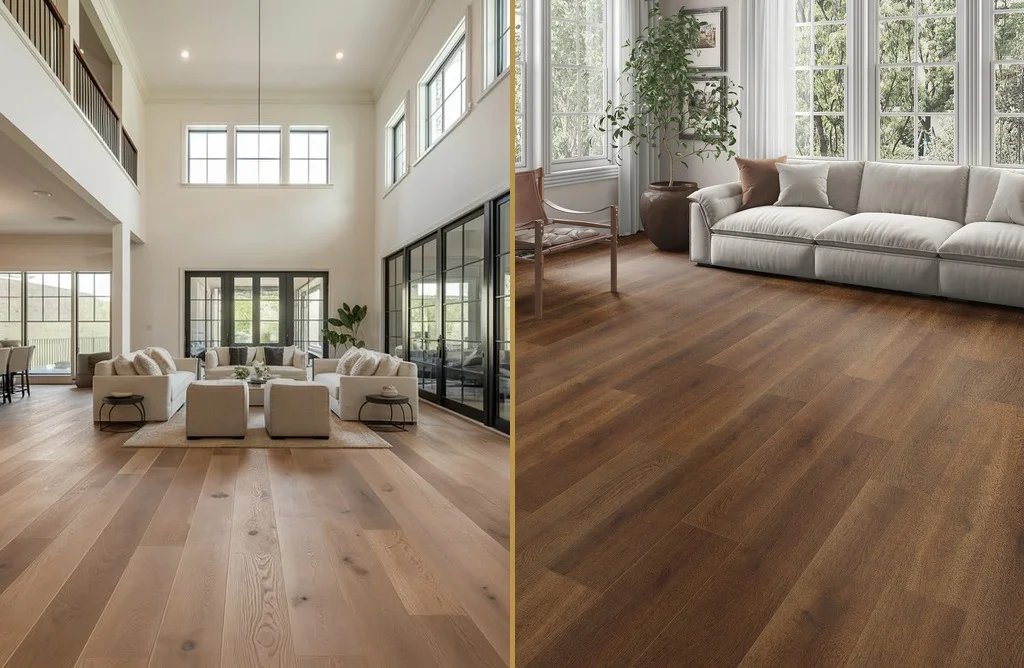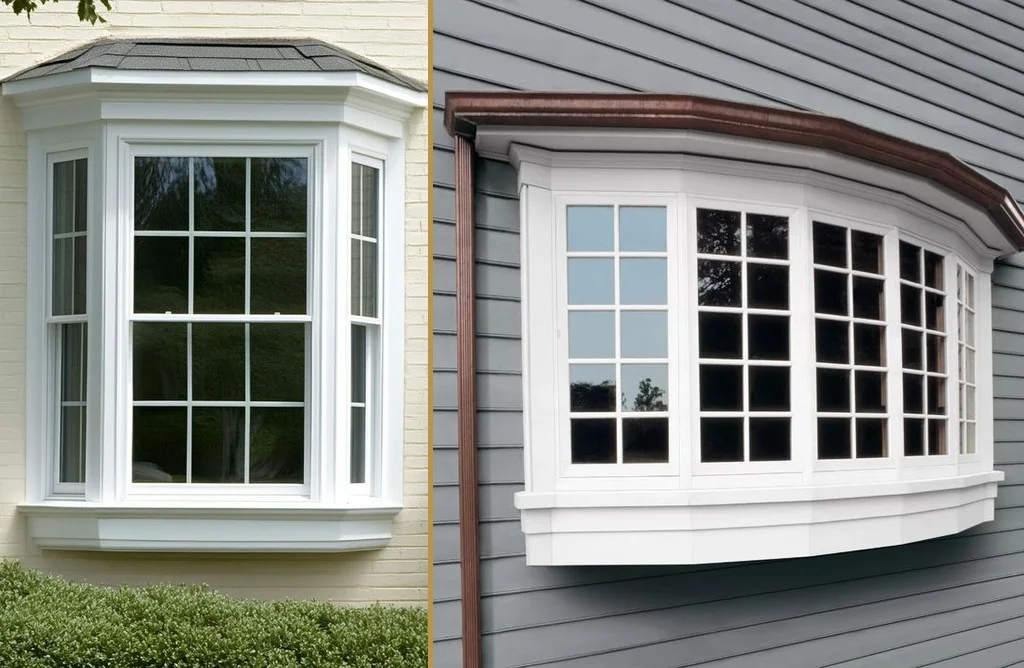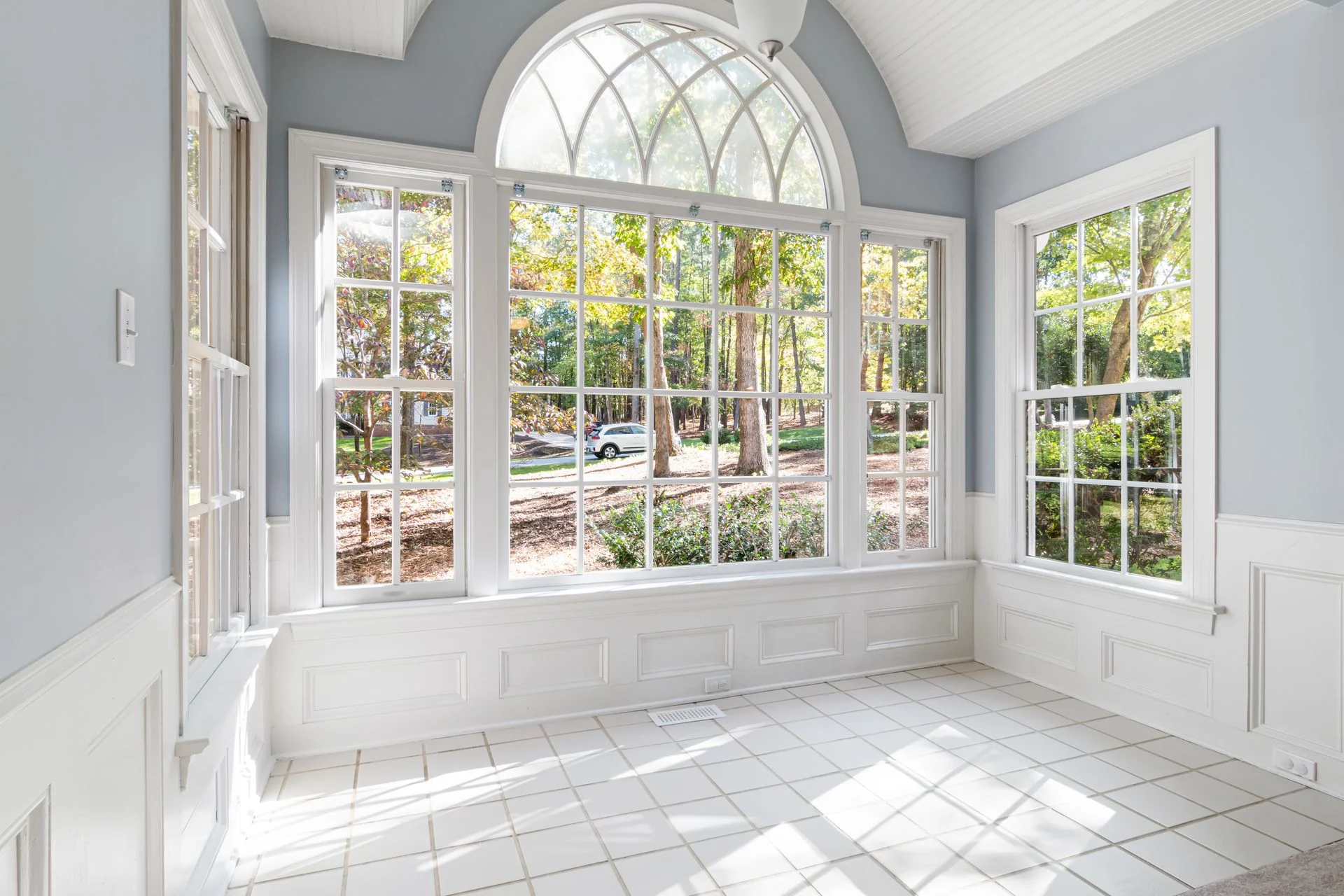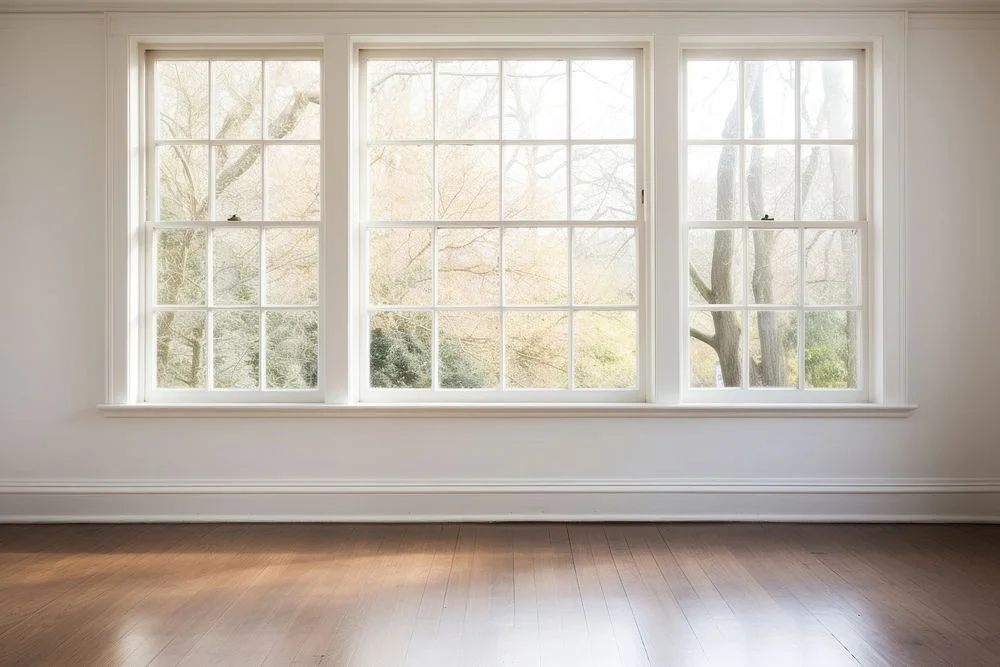
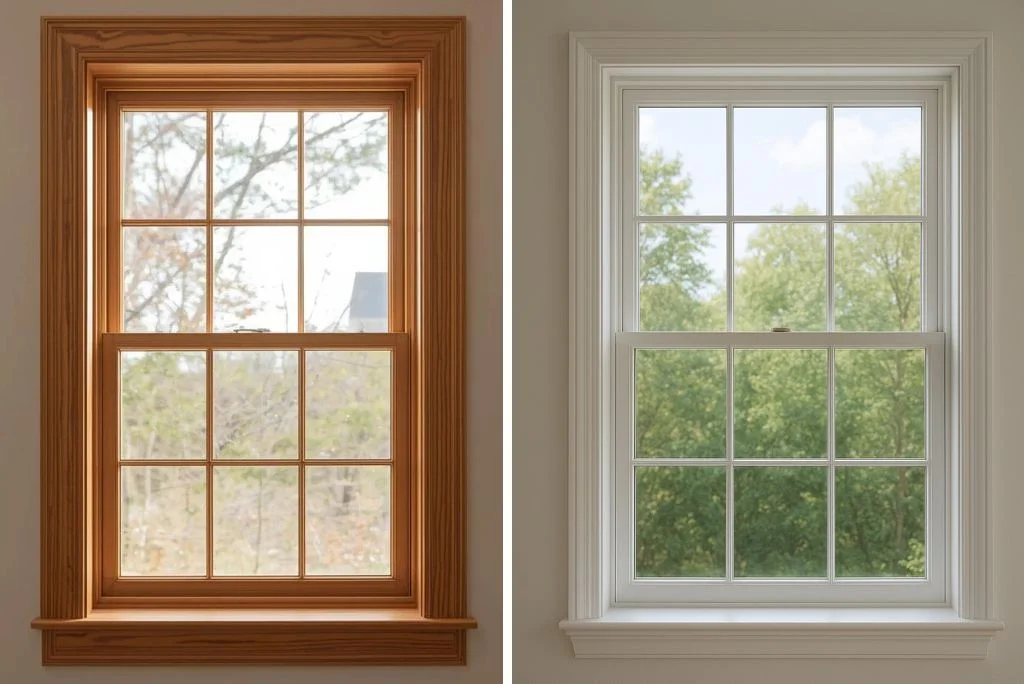
When homeowners plan a window replacement or a new build, the material decision usually comes down to vinyl vs wood windows. Both perform well when installed correctly. Both show up across price points and home styles. But they are built from different materials, they age differently, and they carry very different maintenance demands over the life of the window.
This guide compares both materials honestly. What they are, how they perform, what they cost, and how to choose the right one before you order a single window.
What Are Vinyl Windows?
Vinyl windows are built from PVC, a rigid, weather-resistant plastic that never needs painting or staining. The color runs through the material itself, so scratches and minor wear don’t expose a different layer underneath the way they can on painted wood.
Vinyl became a mainstream residential window material in the USA over the past three decades, and it now accounts for the majority of window replacements sold each year. It suits nearly any home style, from traditional to modern, and it performs consistently across humid, coastal, and cold climates without the moisture sensitivity that wood requires managing.
Vinyl windows come in a growing range of colors and finishes, including wood-grain laminates that mimic the look of a stained wood frame at a lower price point and with far less upkeep.
What Are Wood Windows?
Wood windows use solid wood or engineered wood for the frame and sash, typically finished with paint or stain. The material has been standard in American home construction for centuries, and it remains the preferred choice for historic homes, high-end custom builds, and homeowners who want the specific warmth and grain detail that only real wood provides.
Wood insulates naturally well, which gives it a slight energy performance edge over untreated vinyl in some conditions. Many wood windows today are also available with an exterior aluminum or vinyl cladding, which protects the wood from weather on the outside while preserving the natural wood look on the interior.
The tradeoff for that appearance is maintenance. Wood requires periodic repainting or restaining, and it is more vulnerable to moisture damage, warping, and rot if upkeep is skipped for too long.
Vinyl vs Wood Windows: Key Differences at a Glance
| Feature | Vinyl Windows | Wood Windows |
|---|---|---|
| Material | PVC plastic | Solid or engineered wood |
| Maintenance | Very low, no painting needed | Higher, needs periodic refinishing |
| Moisture Resistance | Excellent | Moderate, vulnerable if neglected |
| Energy Efficiency | Good | Very good, natural insulator |
| Appearance | Clean, modern, wood-grain options | Warm, natural, classic |
| Lifespan | 20–40 years | 30+ years with proper upkeep |
| Cost Range | Lower to mid-range | Mid to high range |
| Best Home Style | Any, especially modern and traditional | Historic, custom, high-end traditional |
Vinyl vs Wood Windows: Pros and Cons of Vinyl
Pros
Low maintenance for the life of the window. Vinyl never needs painting or staining. A simple wash with soap and water keeps it looking clean for years, which matters for homeowners who don’t want a recurring maintenance task on their calendar.
Excellent moisture resistance. Vinyl doesn’t rot, warp, or absorb water, which makes it a strong choice in humid climates, coastal areas, and anywhere exterior moisture is a regular concern.
More budget-friendly. Vinyl windows generally cost less than comparable wood windows, which allows homeowners to replace more windows or upgrade to better glass packages within the same budget.
Consistent performance across climates. Vinyl holds up well in both hot and cold conditions without the expansion, contraction, and moisture sensitivity that wood can experience over decades.
Cons
Less premium appearance. Even high-quality vinyl doesn’t fully replicate the depth and grain texture of real wood, which matters most in historic homes or high-end custom builds.
Cannot be refinished. If a vinyl window’s color fades or the frame gets damaged, there’s no sanding or repainting option the way there is with wood. Damaged vinyl frames typically need replacement.
Limited resale prestige in luxury markets. In some high-end real estate markets, wood windows are viewed as a premium feature. Vinyl, while practical, doesn’t carry the same prestige association for buyers in that segment.
Vinyl vs Wood Windows: Pros and Cons of Wood
Pros
Natural insulation performance. Wood is a natural insulator, which can give it a slight energy efficiency edge over vinyl, particularly in extreme cold climates.
Premium, timeless appearance. Wood grain, warmth, and the ability to stain or paint to any color make wood windows a strong fit for historic homes and custom architectural projects where appearance is a priority.
Refinishable over time. Scratches, dings, and fading can be sanded and refinished, extending the usable life of the window well beyond what vinyl allows.
Strong resale value in the right market. In historic districts and high-end neighborhoods, wood windows are often expected and can support a home’s overall value and character.
Cons
Higher maintenance requirement. Wood needs repainting or restaining every few years, plus regular inspection for moisture damage, especially on the exterior-facing surfaces.
Vulnerable to moisture and pests. Without consistent upkeep, wood can warp, rot, or attract insects, particularly in humid or rainy climates.
Higher upfront cost. Wood windows generally cost more than vinyl, both in materials and in the skilled labor often required for custom sizing and installation.
Vinyl vs Wood Windows: Cost Comparison 2026
Prices below are estimated ranges based on current market data. Actual cost depends on size, brand, glass package, and region. Contact Carlton Doors for accurate pricing based on your specific project.
| Window Type | Estimated Price Per Unit (USD) |
|---|---|
| Vinyl, standard size | $300 – $650 |
| Vinyl, premium/energy-rated | $500 – $900 |
| Wood, standard size | $600 – $1,200 |
| Wood, clad-exterior | $700 – $1,500 |
| Wood, premium custom | $1,000 – $2,200 |
Installation typically adds $150 to $400 per window depending on whether it’s a retrofit or a full frame replacement. A full home window replacement project in the USA generally runs between $4,000 and $20,000, depending on the number of windows, material, and region. Canadian pricing in Ontario and British Columbia tends to run 10 to 20 percent higher than US estimates when converted to CAD.
How to Choose Between Vinyl vs Wood Windows
Step 1: Consider your home’s architecture
Historic homes, custom builds, and high-end traditional designs generally suit wood windows better. Modern, transitional, and most standard residential homes work well with vinyl.
Step 2: Be honest about your maintenance willingness
Wood windows need repainting or restaining every few years. If that’s not a task you want on a recurring home maintenance list, vinyl removes it entirely.
Step 3: Factor in your climate
Humid or coastal climates favor vinyl’s moisture resistance. Cold climates can benefit from wood’s natural insulation, especially in older homes without modern glass upgrades.
Step 4: Set your budget early
Wood windows cost more upfront and often require more expensive installation labor. Know your total project number before comparing specific window lines.
Step 5: Think about resale expectations for your neighborhood
In historic or high-end markets, wood can support resale value. In most standard residential markets, vinyl performs just as well with buyers and comes at a lower cost.
Common Mistakes to Avoid
Choosing based on price alone.
The cheapest vinyl window and the cheapest wood window both cut corners somewhere, usually in glass quality or hardware. Compare full specifications, not just the sticker price.
Skipping maintenance planning for wood.
Homeowners sometimes choose wood windows without accounting for the repainting schedule, then let maintenance slip, which shortens the window’s usable life significantly.
Ignoring clad options.
Wood-clad windows, which pair an exterior aluminum or vinyl shell with an interior wood finish, offer a middle ground that many homeowners don’t consider until after they’ve already decided between fully vinyl and fully wood.
Not checking energy ratings.
U-factor and glass package matter more to real-world energy performance than the frame material alone. A quality vinyl window can outperform a poorly glazed wood window.
Not measuring twice.
Window sizing mistakes are expensive to fix after installation. Measure each opening carefully and verify the order with a professional before placing it.
Vinyl vs Wood Windows: Summary Comparison
| Feature | Vinyl | Wood |
|---|---|---|
| Maintenance | Minimal | Regular, ongoing |
| Moisture Resistance | Excellent | Moderate |
| Appearance | Clean, modern | Warm, premium, natural |
| Lifespan | 20–40 years | 30+ years with upkeep |
| Typical Cost | Lower | Higher |
| Best For | Most homes, budget-conscious buyers | Historic and high-end custom homes |
Frequently Asked Questions
Which is better: vinyl or wood windows?
Neither is objectively better. Vinyl windows cost less and require little maintenance, which suits most homeowners. Wood windows offer a premium, natural appearance and slight insulation benefits but require regular upkeep. The right choice depends on your home’s style, climate, and how much maintenance you’re willing to take on.
Which is cheaper, vinyl or wood windows?
Vinyl windows are consistently the more affordable option. Wood windows typically cost 30 to 100 percent more than comparable vinyl windows, depending on size, finish, and whether the window is clad or fully exposed wood.
How long do vinyl windows last compared to wood windows?
Vinyl windows typically last 20 to 40 years with minimal upkeep. Wood windows can last just as long, and sometimes longer, but only with consistent repainting, staining, and sealing. Neglected wood windows can fail sooner than a well-installed vinyl window.
Do vinyl windows fade or turn yellow over time?
Lower-quality vinyl can yellow or fade after years of sun exposure. Modern vinyl windows from reputable manufacturers include UV-resistant additives in the material, which significantly reduces fading and keeps the color stable for decades.
Can vinyl windows be painted a different color?
Painting vinyl windows isn’t generally recommended. Paint doesn’t bond well to the material’s surface and can void the manufacturer’s warranty. Homeowners who want a specific color should choose vinyl in that color from the start, or select a wood-grain laminate finish if available.
Are wood windows more energy efficient than vinyl windows?
Both can perform very well depending on the glass package and installation quality. Wood is a natural insulator and offers a slight edge in raw material insulation, while many vinyl windows use multi-chambered frame designs that trap air and reduce heat transfer. Frame material alone doesn’t determine energy performance as much as glass quality does.
Do wood windows require a lot of maintenance?
Yes. Wood windows generally need repainting, staining, or resealing every 3 to 5 years to protect against moisture damage and pests. Skipping this maintenance is the most common reason wood windows fail early.
Do wood windows increase home resale value more than vinyl?
It depends on the market. In historic districts and high-end custom home markets, wood windows can support a premium resale value. In most standard residential markets, buyers value vinyl’s low maintenance and energy efficiency just as much, so the resale difference is often smaller than expected.
Can wood windows rot or get damaged by insects?
Yes, if maintenance is neglected. Prolonged exposure to rain and humidity can cause wood to rot, and untreated wood is also vulnerable to termites and other wood-boring insects. Regular sealing and prompt repair of any damage prevents most of these issues.
Which material performs better in extreme hot or cold weather?
Wood tends to handle extreme temperature swings with less expansion and contraction than vinyl, which can help it resist warping over time in harsh climates. Vinyl performs reliably in most conditions but can expand and contract slightly more in areas with very high heat or severe cold.
Ready to Choose Your Windows?
Carlton Doors supplies vinyl and wood windows for homeowners and builders across the USA and Canada. Whether you want the low-maintenance practicality of vinyl or the natural warmth of wood, the Carlton Doors team can help you find the right material, style, and size for your home and budget.
Get in touch for product availability, accurate pricing, and guidance on your window project.
Contact Carlton Doors
USA:
Phone:+1 (562) 545-1118
Email:info@carltondoors.com
Address: 16448 Manning Way, Cerritos, CA 90703
Canada:
Phone: +1 (437) 238-9088
Address: 2425 Meadowpine Blvd, Unit 2, Mississauga, ON L5N 6L7
Disclaimer: This article is for informational purposes only. Window styles, pricing, and availability may vary by region and supplier. All prices listed are estimated ranges and are subject to change. Carlton Doors recommends consulting with a professional before making final purchasing decisions.
Carlton Doors USA & Canada